

The house (history)
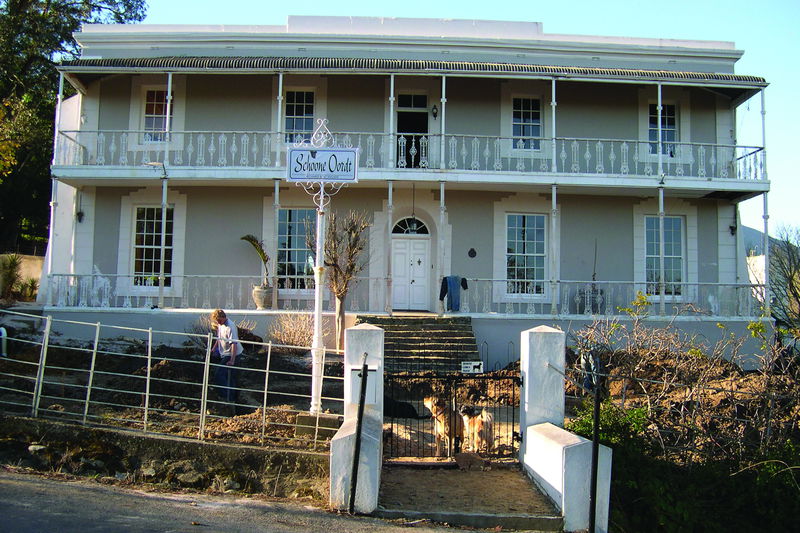
Schoone Oordt is a historic home in the heart of Swellendam, with roots dating back to the early 1800s. Shaped by generations of families, the house has seen times of grandeur, decline and careful restoration, most notably in the late 1960s.
Recognised as a National Heritage Building in 1983, it remains a place where history is gently preserved and shared, with stories living quietly in every corner.
SOURCING THE EARLY HISTORY
It was a challenge correctly sourcing the history of our beautiful and very special Schoone Oordt. We’d done a little research in Cape Town and in Swellendam in the early days of purchasing her and were told that the archives had on separate occasions, been destroyed by fire. So, for the longest time, we published a ‘word of mouth’ story that we had collected from various people-in-the-know over time, beginning with the ownership of the Anderson sisters in 1853. This is when we believed the house was built and named Schoone Oordt and our logo reflects so.
A TURNING POINT IN 2013
Then, a wonderful gentleman called Roger Lewis Aspeling came to stay with us in March of 2013. He mentioned that his great- great grandfather, Johan Gustav Aspeling, had sold it to the Anderson sisters, so in effect, the house was older than we originally thought. And so began a massive, time consuming and exhaustive historical project involving all sorts of wonderful people that were and are in some way connected to our Schoone Oordt. Roger has published a two volume book entitled ‘A tale of Two Homes in Swellendam’ as a result of this research. Volume one is a ‘shortened’ version for easy reading and Volume two is the Author’s Notes. Both of these volumes are available up at the Manor House, please do ask if you’d like to see them…
THE TALE OF TWO HOMES
What he did find, is that the Anderson sisters never owned Schoone Oordt, but rather Morgenzon, which is around the corner. Morgenzon was the original house of the entire erf that including Schoone Oordt, stretches across the Old Age Home next door and through the grounds of Morgenzon. The properties were subdivided over the years and the tale of two homes is explained in detail in Roger’s manuscripts.
AN EMOTIONAL THREAD
Personally, what I find amazing and heartwarming, is the thread of emotional connection that binds every family that has lived in, visited or owned Schoone Oordt. She is not simply a house. She captures your heart and fills your soul and I hope that you experience just a little of that whilst visiting with us.
JOHANNES ZACHARIAS HUMAN
The Schoone Oordt portion of the land originally owned by Roger’s great- great grandfather was purchased by Johannes Zacharias Human, born 1817,passed at the age of 67. He was an important man in Swellendam, a Member of Parliament, a Member of the Volksraad and a town benefactor, so he built himself a huge square double storey house in the English Georgian style, fitting for his station. He lived there in great style with his wife, 21 years his senior, and when she passed, he married their housekeeper. There were no children. He is buried with his wife next to the Dutch Reformed Church down the road.
THE LIEBERMAN & BUIRSKI YEARS
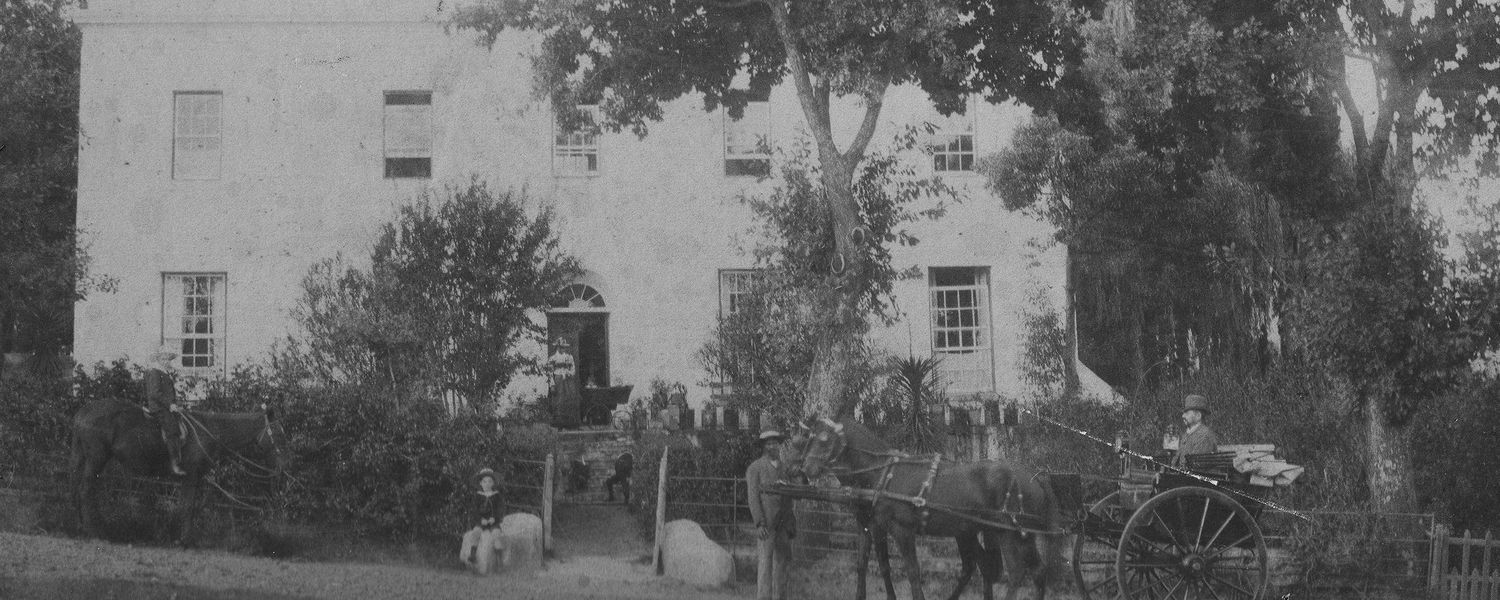
In 1887, the property was sold to Hymie Lieberman and Abraham Buirski, partners in the firm Lieberman & Buirski of Swellendam, prominent buyers of wool and wheat. Abraham Buirski lived in the house with his wife, raising a large brood of children there. The picture above is of Abraham (in the cart) and his family outside the Georgian façade. Abraham’s son Eli, born 1877, passed at the age of 54 lived in the house after his father. His gravestone can also be found in the Dutch Reformed Church yard. He became mayor of Swellendam from 1915 to 1923, was a member of the Town Council and represented Swellendam in the South African Parliament from 1924 to 1929. It is presumed that he added the Victorian filigree-laced verandah to Schoone Oordt as well as adding similar style to his office premises, now the Ackermans Clothing Store and the façade of ‘Buirski Plein’, just down the road.
UNCERTAIN OWNERSHIP
From here, the dates and owners become a bit murky, with a number of names popping up, first Muller, then Barry, Odendaal and again Muller, but Roger could not find evidence to prove that they actually occupied the house. They did, however, at one time or other own the erf.
RESCUE AND RESTORATION
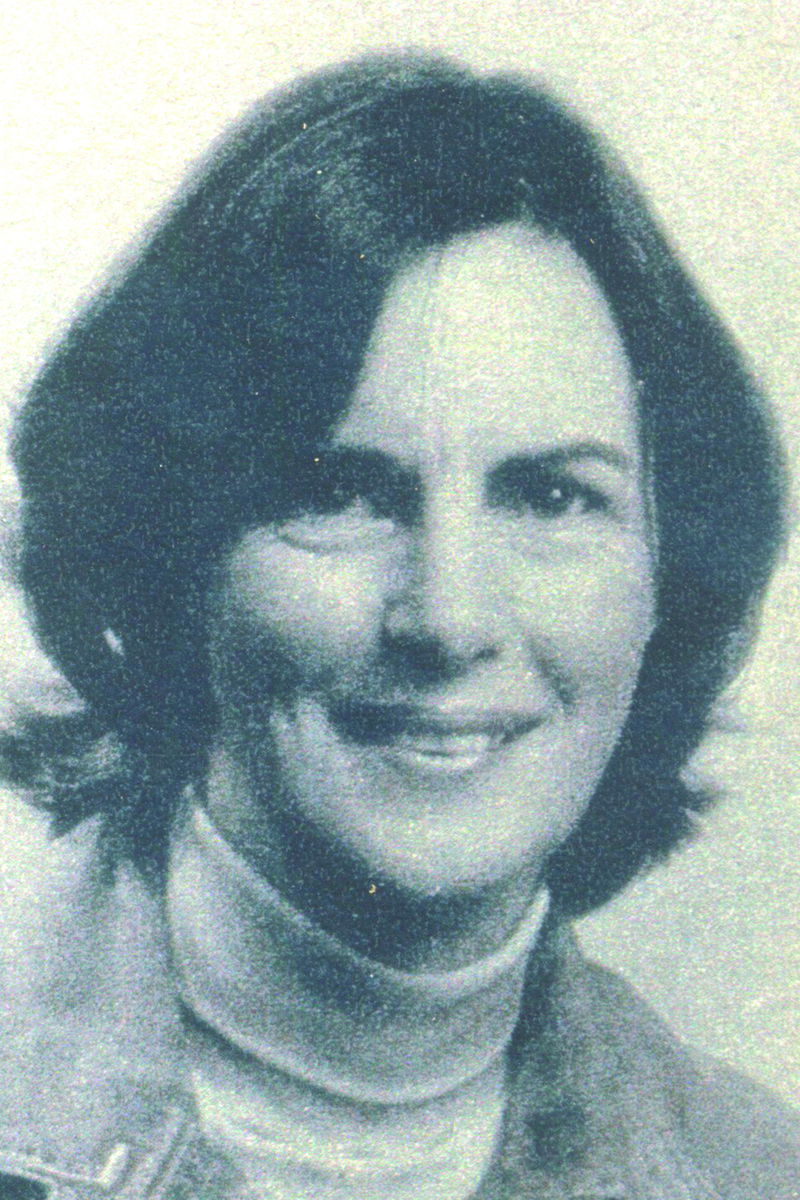
We do know, however, that Herman & Dulcie Moore rescued the house from complete dilapidation and neglect in 1968 and that the house had been standing empty for almost 10 years! There is a beautifully written story that was published in the Sarie Marais magazine October 5th, 1977. It is originally in Afrikaans and translated into English by Maureen Rall. The original is up at the Manor House, but some excerpts here.
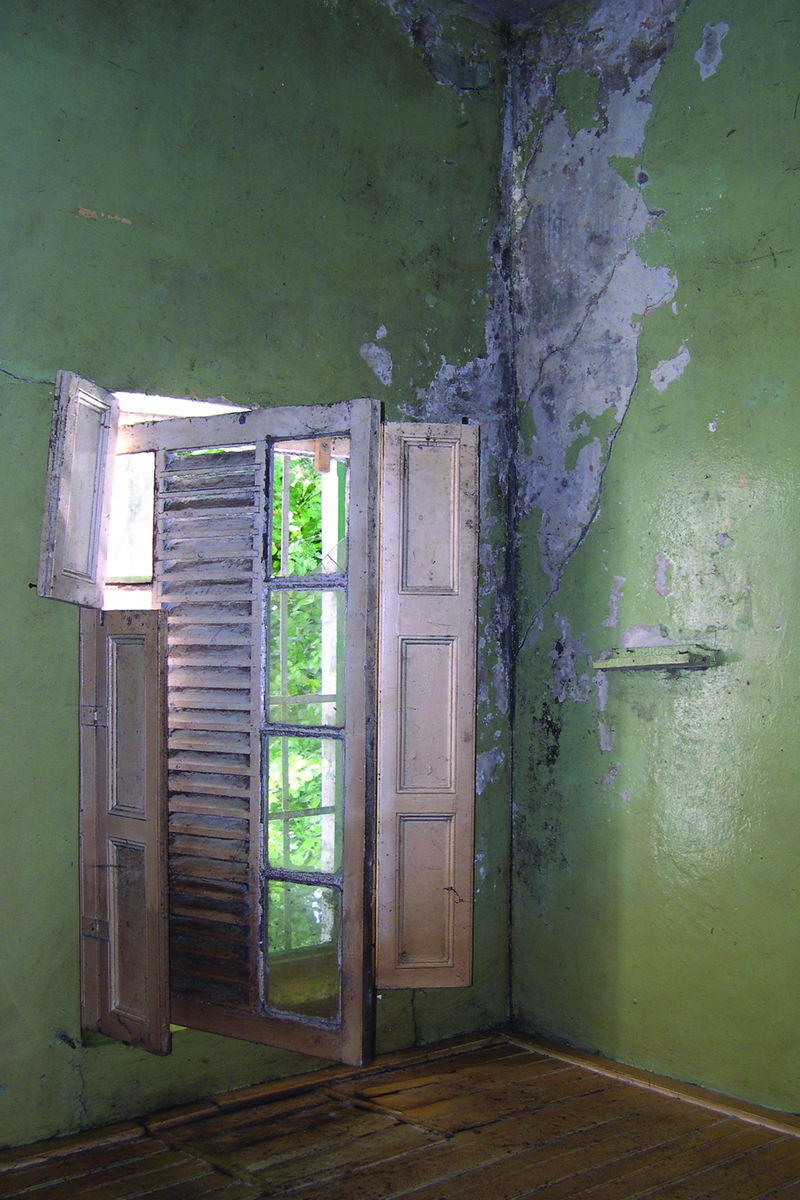
When Herman Moore, an insurance agent and his wife, Dulcie, were transferred to Swellendam they travelled there to look for accommodation and discovered the derelict Skone Oord [sic]. They pushed open doors and braved the spiders’ webs inside. It was pitch dark, a shelter for bats and creepy-crawlies, but when the couple emerged with spider webs across their faces, the house had bound them with much stronger ties. They promptly bought it, for very little money and the massive restoration began.
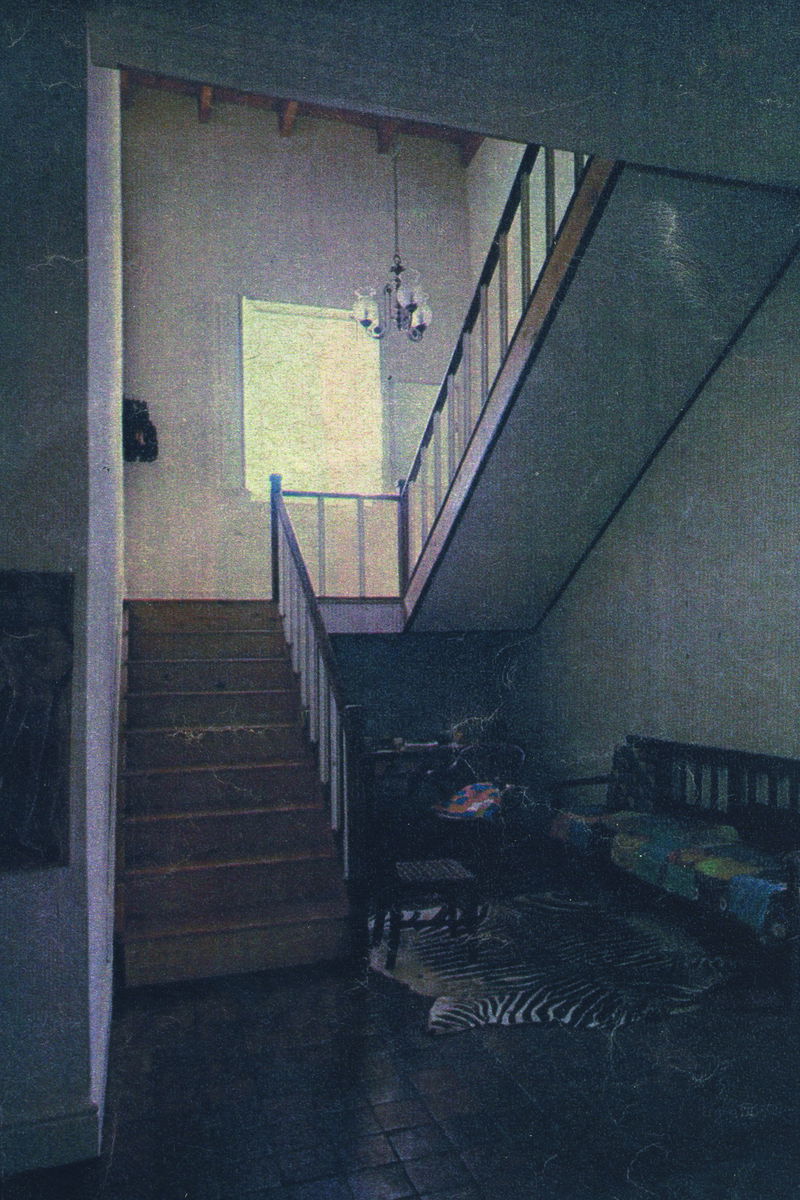
After 3 building contractors literally threw in the trowel, Herman began to doubt their decision. Dulcie did not. She would drive the main road in her Volksie [Volkswagen] and pile in anybody that looked like a builder or carpenter. She worked tirelessly alongside her labourers, fixing, building, stripping, painting, carrying, hammering… Her work is apparently prosaically recorded in a manifest and we wish that we knew where it was! Richard’s restoration mirrors Dulcie’s in so many ways and always, that thread of passion and connection. It took her two long exhausting, incredibly expensive, but exhilarating years to complete her home. Dulcie added the ‘foyer’ aspect of the house and the patio which is now the Conservatory. No sooner had the drapes been hung and their collection of beautiful antique furniture fitted into each room, and Herman fell seriously ill. After not even two years of living in Skone Oord [sic], the Moore family had to move closer to Cape Town for medical care.
THE HOFMEYR YEARS
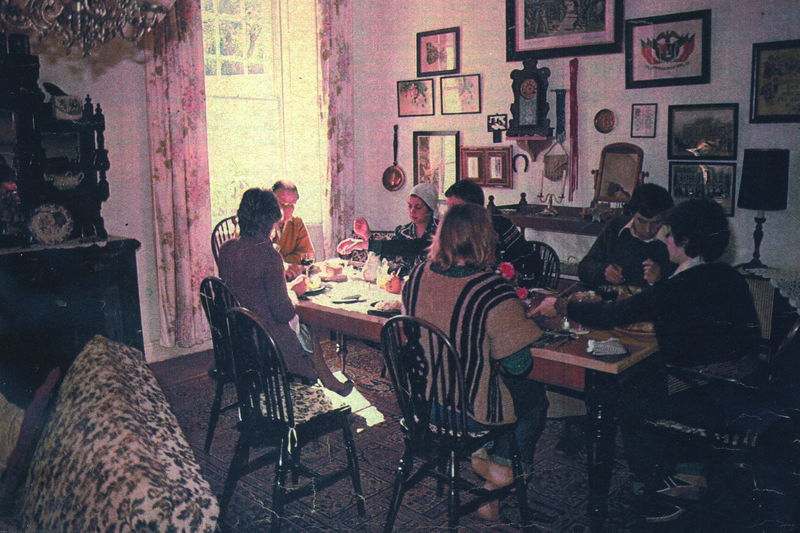
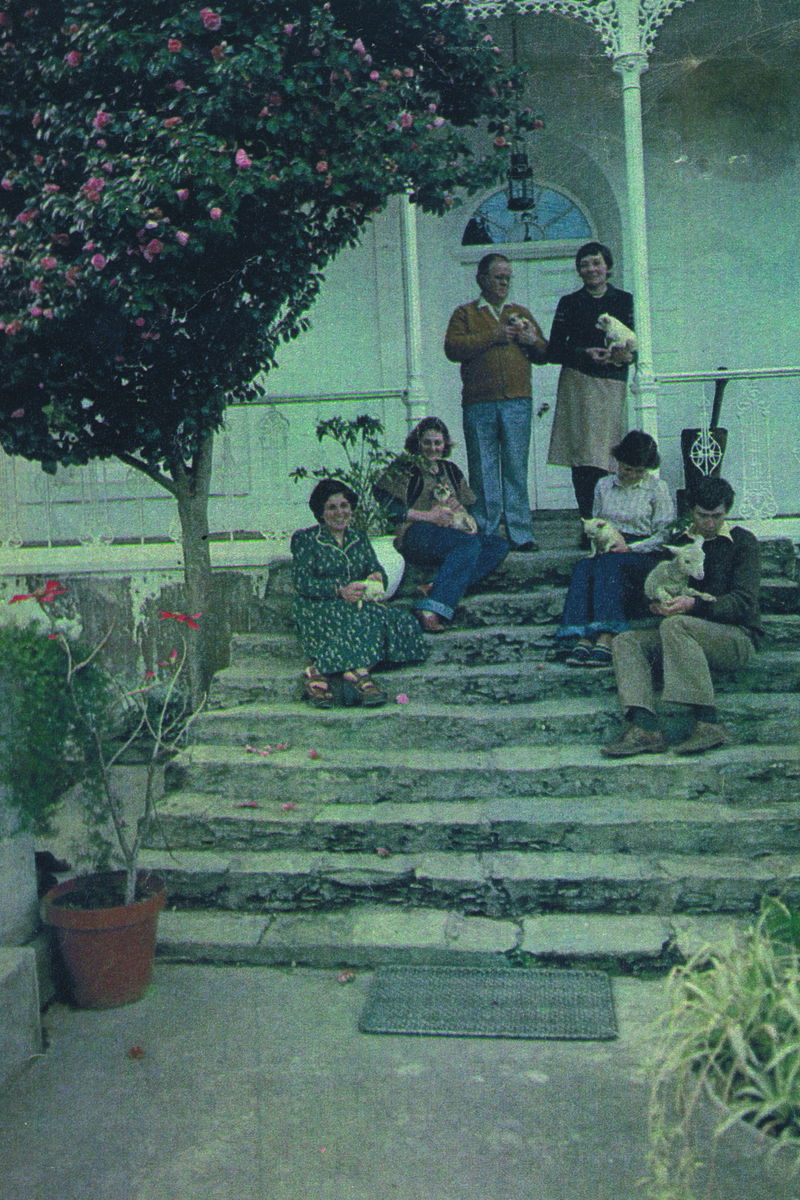
The restored home was snapped up by Fanie and Santa Hofmeyr after returning from a trip overseas. Santa fell completely in love with it the day she saw it [This is a recurring theme!] Fanie was (they say, the eccentric) High School Headmaster at the time and Santa ran a small Old Cape restaurant in the main village. In the same article that describes Dulcie Moore’s restoration, the following excerpt paints a picture of what the property looked like when the Hofmeyr’s owned it…
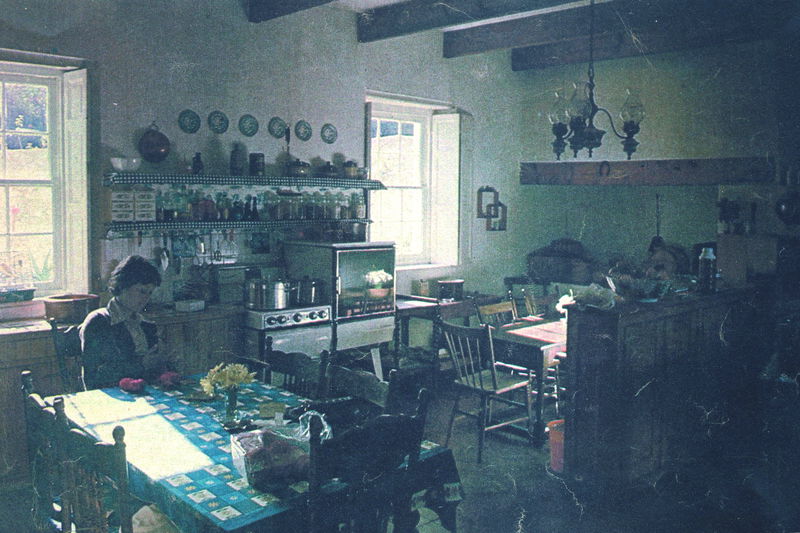
‘Most of the rooms of Skone Oord [sic] could easily swallow four modern rooms. The erf is four times the size of ordinary erfs. It stretches from the hillside to down below in the river, from hard loamy soil to the sweetest dark river soil. On the erf, besides the imposing Manor House, many things are happening. Visiting the back, one arrives at the coach-house [now the Family Cottage]. Once upon a time there must have been a major shodding centre for horses. From the soil armfuls of horseshoes emerge and everywhere on the twelve oak trees there are hooks to have tied them to. In the back Fanie Hofmeyr has a thriving farm on the go between the quava, plum, loquat and lemon trees that remain of the old orchard. Here he grows the finest vegetables and waits for his young vineyard to reach maturity. Down towards the river are the remains of an early bakery in Swelllendam [now the Honeymoon Suite], where Dulcie had discovered the tumbledown oven. In the front garden pink roses still twine round the small bridge and violets flourish in the wet soil – because the whole erf is surrounded by furrows. Fanie looks after the outside. He is a tireless builder, creator and carpenter. One finds him down in the well-equipped (and also restored) cellar where he records the manifest of their work along the notices of the carpenter of 1885 where he left his measurements and preliminary sketches on the beams.’ [These can still be seen and Wander will show you, if you like]
In communication with Santa, through Roger’s quest to find out who had named Schoone Oordt and when, she threw a little light on the subject… ‘I believe that the original name was Schoone Oordt but when Afrikaans developed as a language, they used Skone Oord. Skone meaning ‘Fine/Beautiful’ and Oord, ‘Place/Haven’. When South Africans became proud of their heritage and began to restore and treasure old buildings, they used the Dutch spelling again.’’
Fanie passed away unexpectedly 8 years after the Hofmeyrs bought Schoone Oordt and the house became too large and too difficult for Santa to manage on her own. She was saddened to leave, but knew the house had a history of hospitality and loved having lots of people to fill her rooms.
THE THERON YEARS
Danie& Mercia Theron bought Schoone Oordt in 1980 and lived there very happily until we bought from them in 2003. Danie still lives in Swellendam and has kindly shared his memories of living in this magnificent home…
‘…We gradually started house hunting in Swellendam and originally had our hearts set on a large property down the other end of Voortrek Street. We consulted Mrs Lucille Pienaar, who was the only estate agent in the town at that time. She took us to see quite a few homes, and then, as an afterthought, said she had heard that Schoone Oordt might be on the market. We stopped in front of the house and walked up the steps. The front door was opened and we glimpsed into the lounge. I looked at Mercia and she looked at me and we both knew – it was love at first sight.
We bought Schoone Oordt the next morning for the princely sum of R85 000.00 and continued loving the place for the next 20 odd years. I don’t think Mercia really ever forgave me for selling her, but it was just too huge for the two of us. We added a double garage and workshop and then started on the maintenance and never stopped until we left. It was hard, but gratifying work to keep the Old Lady going and it is wonderful that Alison and Richard have restored her to her former glory.
Soon, after moving in and becoming more aware of the property’s historical value, I had it declared a National Monument, thus preserving her for posterity. In the ‘wild area’ next to the river, I planted a whole lot of Outeniqua Yellowwood Trees [indigenous to South Africa] and I’m thrilled to see how tall they’ve grown. I hope that nobody will ever have the heart to remove them, they are part of my very being.’
A LIVING SOUL
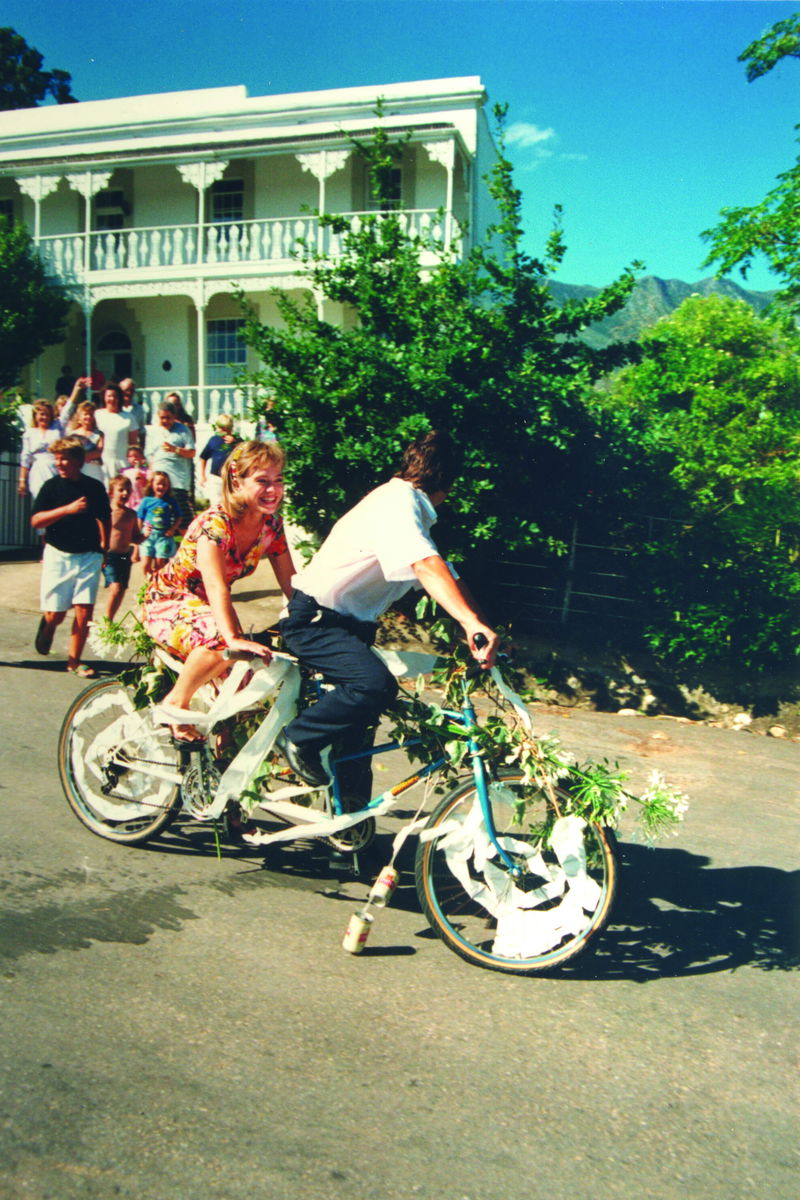
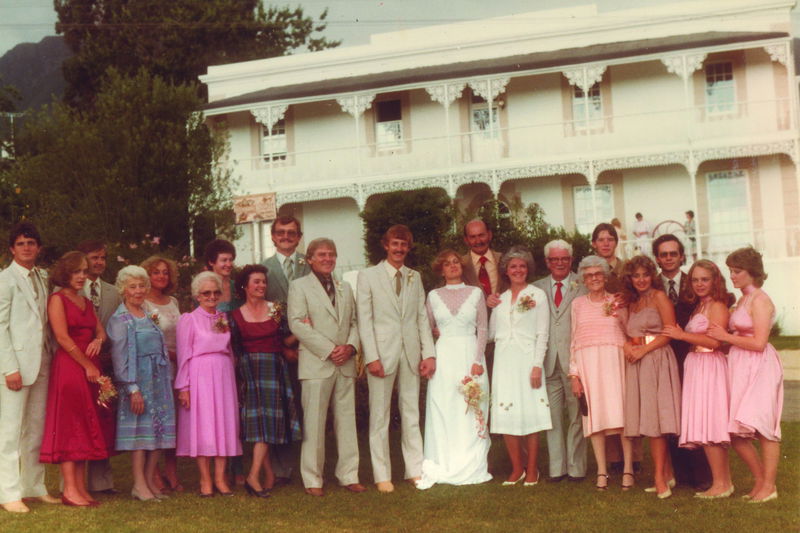
Some of the happiest memories I have are sharing the house with our friends and family. There was always a-coming and a-going, but if I had to single out the happiest moments of our years there, it must be the wedding of our four daughters. The whole house seemed to breath, laugh and love with us as we celebrated such wonderful occasions. I often thought that the walls must be built from flexible material to actually stretch to accommodate all the guests. To me, Schoone Oordt was not just a house, not even a home, it seemed to have a vibrant, living soul that reflected our every mood and we were honoured to share in its life for such a short period…’
THE STORY CONTINUES
And so the History of the Grand Dame of Swellendam continues and we hope that you enjoy being a part of our journey and love your own connection to Schoone Oordt. You are helping us to keep this Old Lady going for many years to come…. Thank you.
Share This Page